
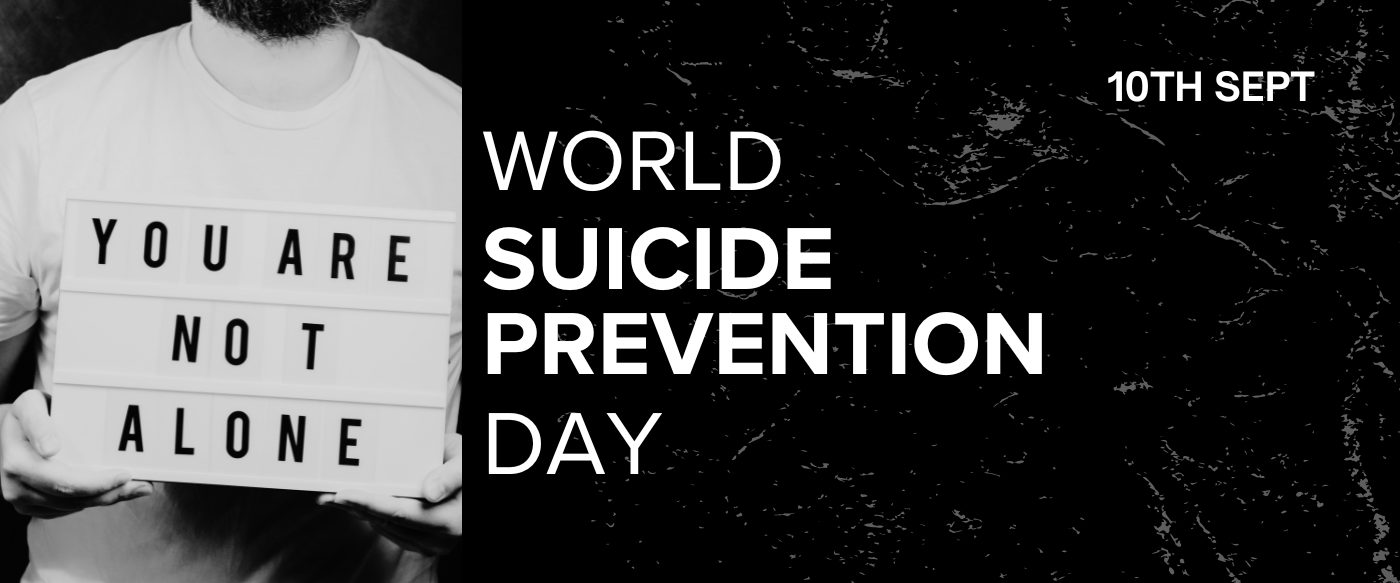
Can We Talk?
A conversation for World Suicide Prevention Day
Can we talk? Not “how’s it going?” I mean actually talk about a difficult subject.
September 10 is World Suicide Prevention Day, and it would be easy share statistics, but that’s not really the point. The whole idea behind this day is opening up the conversation about suicide, which means not having every answer but just being willing to talk. It’s about a conversation many people may be having alone, when they don’t need to be, and I want to make it a little easier to have it out loud instead.
A lot of our Greyshirts come from the military, policing, fire, and paramedicine, careers like mine, where suicide has likely had an impact on you. The same culture that teaches people to stay steady under pressure can also make it harder to admit when they’re not okay, and that’s a big part of why this day matters to us. But this post is for everyone; anyone who has ever sat with a hard thought and didn’t know who to tell, and for anyone who has wondered whether to check in on someone but worried about saying the wrong thing. Whoever you are, you don’t need a connection to first responders or the military for this to matter.
At Team Rubicon Canada we don’t provide treatment, and we’re not trained clinicians. What we do care about, deeply, is the wellbeing of the people in our community of Greyshirts. That’s part of why we invest in Mental Health First Aid training across our team, so people know how to recognize when someone might be struggling, know they have peers they can turn to, and know how to access the resources we have available to them. Being part of something with purpose and having a team that actually shows up for you, matters. It doesn’t replace care, but it can be the thing that makes someone more likely to reach out or more likely that someone else notices and asks the question.
You don’t need numbers to understand how suicide impacts specific demographics, but here is one take away: people considering suicide are far more likely to open up when someone asks them directly and actually listens.
Talking openly about suicide is one of the best tools we have for reducing the stigma that keeps people quiet, and there are some misconceptions worth clearing up.
- Some people worry that asking about suicide might put the idea in someone’s head. It doesn’t. Most people who are struggling already feel like a burden, and they stay quiet because of it. Being asked, gently and directly, often feels like relief and like someone finally noticed.
- Others assume suicide can’t really be prevented, that if someone’s mind is made up, there’s nothing to be done. That’s not true either. The pain someone feels in that moment is intense, but it isn’t permanent, and connection can change the outcome.
So here’s what I’m asking, from me to you: check in on someone today, and every day after this one. Ask how they’re really doing and actually wait for the answer. That’s it. That’s the whole ask.
If you or someone you know is thinking about suicide, help is available.
- Canada’s Suicide Crisis Helpline — call or text 988, any time, day or night
- In an emergency, call 911 or go to your nearest emergency department
- World Suicide Prevention Day — International Association for Suicide Prevention
- Can We Talk? Supporting Suicide Prevention in the CAF