
Before It Happens
Most days, emergency plans sit untouched. They live in the back of a drawer, saved in a notes app, or exist only as something people mean to get to eventually. Life feels normal, and preparation doesn’t feel urgent.
Until it is.
A storm shifts direction. The power goes out. Roads close faster than expected. In those moments, there’s no time to figure things out from the beginning. People aren’t thinking about what they planned to do — they’re thinking about what they have, who they can reach, and what happens next.
Across Canada, communities face disasters each year that disrupt daily life in an instant. Floods, wildfires, and severe storms can change the course of a day, or a season, without much warning. What happens in the first few hours often depends on the level of preparation already in place.
Ten years of responding to disasters across this country has taught Team Rubicon Canada one enduring truth: the communities that fare best are the ones that were ready before the skies went grey. From the wildfires in Fort McMurray and Jasper, to Hurricane Fiona’s devastation along the Atlantic coast, to the fires that tore through Tantallon in Nova Scotia — the pattern is consistent. Preparation saves time, reduces harm, and gives communities a fighting chance when everything is moving fast.
That’s why, increasingly, our work begins long before disaster strikes.
This spring, Greyshirts worked alongside the community of Peguis First Nation in Manitoba, filling sandbags ahead of rising floodwaters on the Fisher River. Volunteers came from across the country, working through heavy and exhausting conditions to help protect homes and infrastructure before the water arrived. Around the same time, a separate team partnered with the City of Ottawa to support sandbagging operations in Constance Bay along the Ottawa River — filling more than 10,000 sandbags over two days to help shield the community from flooding. Both operations were proactive. Both made a difference precisely because teams were in place before the worst arrived.
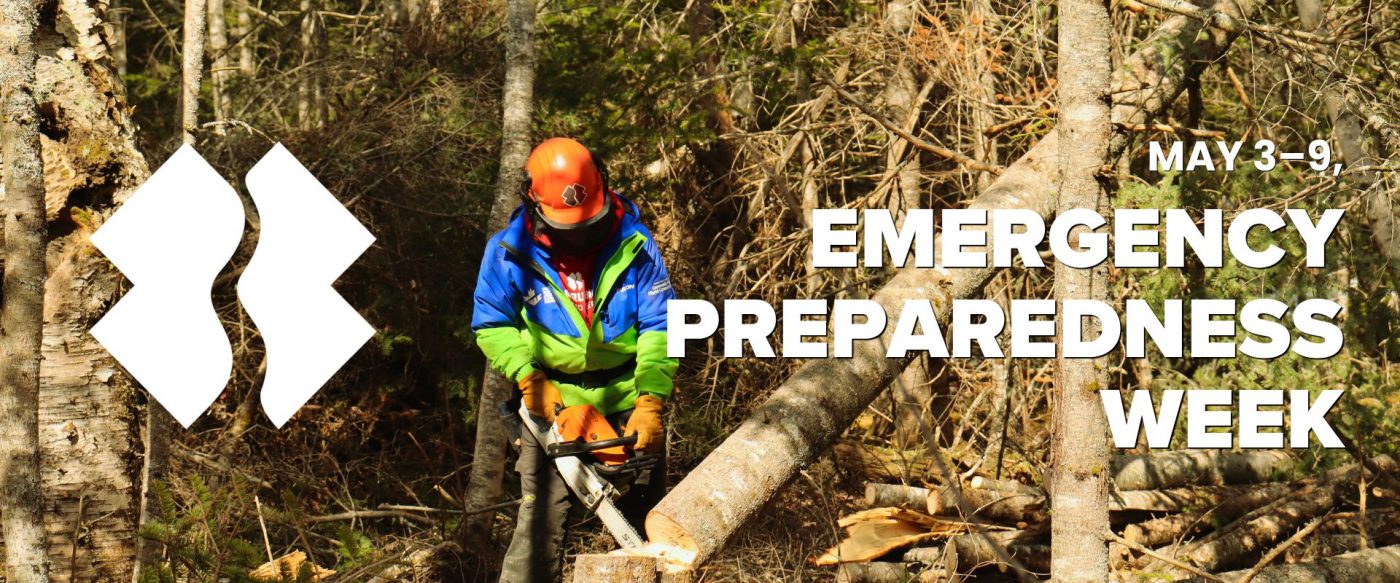
Last year, that same proactive mindset guided our fire mitigation work in the Fort McMurray area — clearing brush, reducing fuel loads, and helping protect communities from the conditions that allow wildfires to spread. It’s quieter work than disaster response, and it rarely makes headlines. But it matters enormously to the families living in those communities.
For individuals and families, preparedness can also start small. It doesn’t require a bunker or a weekend course. A few simple steps, taken on an ordinary day, can make an enormous difference when things move fast.
Start here:
Water. Store at least two litres of water per person, per day, for a minimum of 72 hours. Don’t forget your pets.
Food. Keep a supply of non-perishable items that don’t require refrigeration or cooking — think canned goods, protein bars, and dried fruit. Enough for at least three days.
A go-bag. Pack a bag you can grab in minutes. Include copies of important documents, medications, a phone charger, a flashlight, cash, and a change of clothes. Keep it somewhere easy to reach.
A plan. Know where you would go, who you would call, and how you would reach your family if you couldn’t use your phone. Talk it through before you need it.
Stay informed. Sign up for local emergency alerts and know the risks specific to your community — whether that’s flooding, wildfire, or severe storms.
Preparedness is not only personal. It shapes how communities respond as a whole. When more people are ready, there’s less confusion in the early moments of a disaster. There’s more capacity to check on neighbours, support those who need help, and reduce the strain on emergency services.
For Team Rubicon Canada, that readiness is part of the work long before a disaster ever reaches a community. Greyshirts train in advance, building the skills needed to respond in uncertain conditions. They learn how to move quickly, how to adapt, and how to work alongside communities when the situation is still unfolding. That preparation allows teams to arrive with purpose and begin supporting recovery without delay.
The work that follows often reflects what came before. A clear plan can mean faster decisions. A prepared household can mean one less emergency call. A community that understands its risks can recover with more stability in the days that follow.
It’s easy to think that disasters happen somewhere else, to someone else. But when they do arrive — and they do — everyone asks the same question of everyone involved.
Are you prepared?