
Deployment Diary: A First-Time Deployment to Jasper, AB
What it’s like to step into the arena for the first time
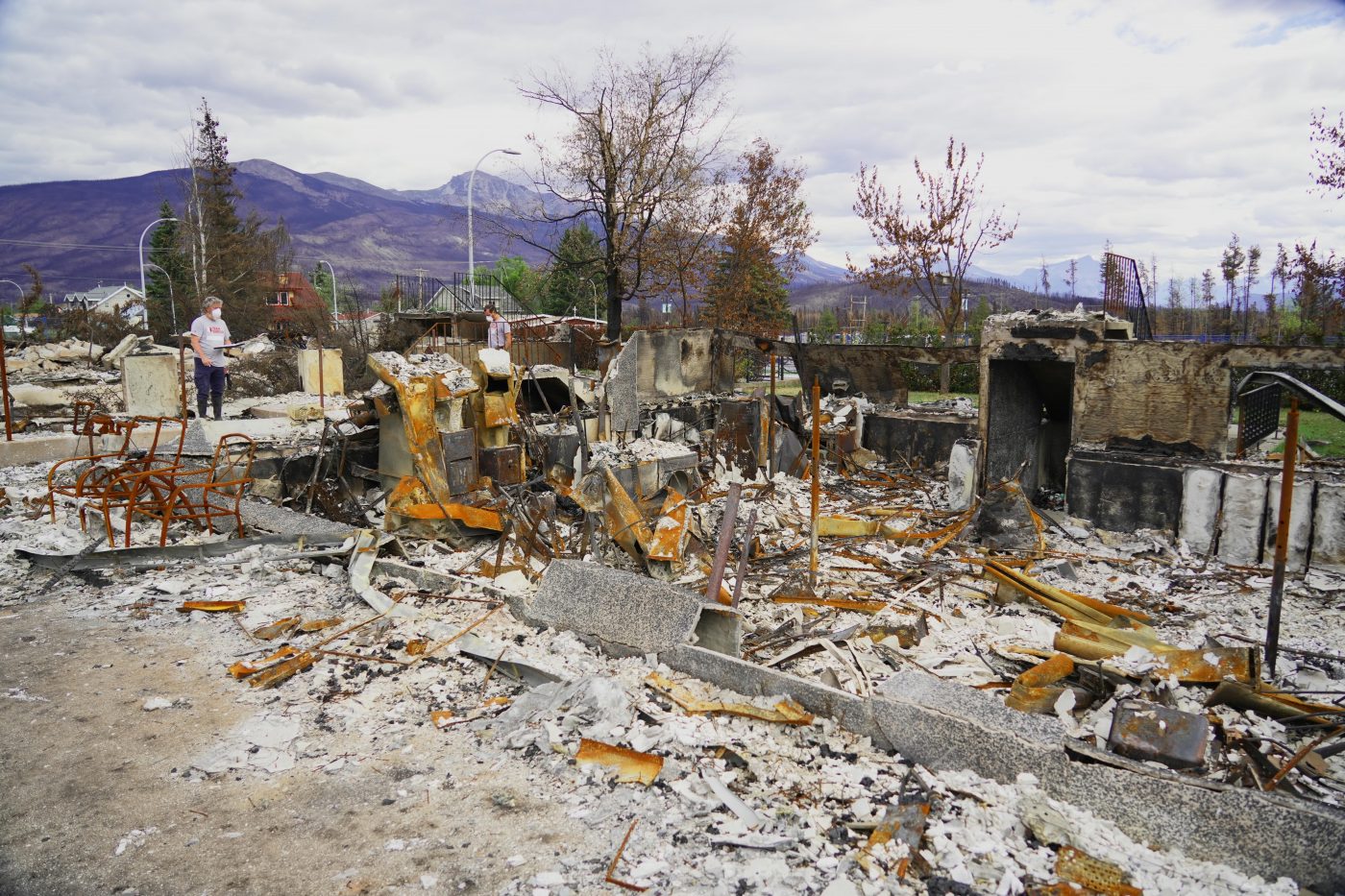
In July 2024, wildfires tore through Jasper, AB, destroying over 350 structures and forcing the evacuation of more than 25,000 residents and visitors.
Team Rubicon Canada deployed within days and over six weeks, 140 Greyshirt volunteers stepped into the arena. Wave after wave of veterans, first responders, and kick-ass civilians worked alongside local officials, emergency managers, and community members to help homeowners recover valuables from the ashes and clear hazardous debris.
I was one of those 140, arriving with the third wave. I had no idea what to expect, but I left with an experience that changed everything.
My trainer lost her home in the fire. She was a longtime Jasperite, a former British Army nurse and ultra-marathoner who taught me safety protocols, how to navigate contaminated sites, and what to expect physically and emotionally. Despite losing everything, she was there helping her neighbours, and she wasn’t the only one like that.
At the first house, I found a great-grandfather’s jade ring and a father’s Vietnam service ring buried in the ash. The family had forgotten all about them and laughed when I showed them, then they cried.
At the second house, a woman stood alone in front of her asbestos-contaminated home. We couldn’t go inside and the look of defeat and disappointment on her face is something I’ll always remember.
Day two almost broke me. We went to work on a row of attached houses. The houses had all collapsed into each other, so the belongings of one house were in another. This meant that we spent hours in heat, dressed in protective gear, sifting debris from multiple houses in one basement.
When I finally surfaced with a plastic bucket of findings, none of the artifacts belonged to her. The only things we could give here were standing if the front yard, an old wooden chair that somehow survived the fire, her worn doormat, and a rock. I stood in front of her crying in my mask.
That night, I started writing my experiences down to process the weight of what we were witnessing.
By day three, I understood: this work demands you hold space for both devastating loss and unexpected moments of grace.
We helped a family new to Canada search for jewelry from their homeland. My partner and I moved a literal ton of debris and found two German beer steins. Not what they expected, but they laughed, and sometimes laughter is its own kind of salvage.
Day four brought the moment I needed. I unearthed an entire set of china plates, somehow perfectly intact, and when I carried them up like treasure, I expected surprised joy. The adult children looked confused, then their mother examined the plates and declared: “Damn it, that’s my mother’s china. I’ve been trying to get rid of that for 20 years.”
The laughter that erupted wasn’t disrespectful to the loss around us, it was oxygen. It reminded us we were still human, still capable of joy even in such loss.
I went to Jasper uncertain and left with clarity:
You can’t fix everything. Most days, you can’t even fix much. But showing up—putting on the gear, sifting through the ash, bearing witness—matters more than I ever understood.
The people beside you become family fast. When you’re searching rubble together, there’s no time for small talk. The bonds formed in disaster response don’t fade when you leave.
Sometimes one thing is enough. A ring, a laugh, or a rock from someone’s yard. In the face of total loss, one recovered memory can be everything.
To the Greyshirts who served alongside me and the residents of Jasper who let us into their grief: thank you for changing my life.
If you’ve been thinking about deploying, about stepping into the arena for the first time, I hope reading this is your sign to get involved. Communities need us, and you might just find that you need this, too.